
Is your couch starting to look like a scratching post? Do your cat’s claws occasionally snag your favorite sweater? If you’re wondering how often to trim your cat’s claws without turning it into a wrestling match, you’re not alone. Claw care is a hot topic for cat owners, too frequent, and you risk stressing your feline; too infrequent, and your furniture pays the price.
Let’s dive into the perfect balance of claw maintenance. Spoiler: It’s not just about the calendar, it’s about your cat’s lifestyle, habits, and even their favorite napping spots.

Why Claw Trimming Matters (Beyond Saving Your Sofa)
Cats’ claws are more than just tiny daggers. They’re tools for climbing, stretching, and marking territory. But indoor cats, especially, don’t wear down their claws naturally like their outdoor counterparts. Without regular trims, claws can become overgrown, curl into paw pads, or cause painful splits.
Recent research highlights key insights:
- Front claws grow faster (0.13 mm/day) than rear claws (0.08 mm/day) (Contreras et al., 2025).
- Indoor cats with scratching posts still need trims, their claws grow consistently, and posts alone may not prevent overgrowth.
- Regular trims reduce destructive scratching and improve human-cat bonding (Machado et al., 2020).
The Golden Rule: How Often to Trim
There’s no one-size-fits-all answer, but here’s a science-backed guideline:
| Cat Type | Front Claws | Rear Claws |
|---|---|---|
| Indoor Cats | Every 2–4 weeks | Every 4–6 weeks |
| Outdoor Cats | Every 4–6 weeks | Rarely needed |
Why the difference?
- Indoor cats rely on you to manage claw length. Scratching posts help but don’t fully replace trims.
- Outdoor cats naturally file claws through climbing and hunting. Still, check for splits or overgrowth monthly.
5 Signs It’s Trim Time (Even If You’re Not Sure)
- The “Velcro Test”: Claws snag carpets, blankets, or your leg.
- Visible Curling: Claws curve inward instead of lying flat.
- Excessive Scratching: Your cat targets furniture more than their post.
- Click-Clack Sounds: You hear tapping on hard floors.
- Paw Licking: Overgrown claws can irritate paw pads.
The Stress-Free Trim: A Step-by-Step Guide
Trimming claws doesn’t have to feel like a spy mission. Follow these steps for calm success:
- Pick the Right Tools:
- Claw clippers (guillotine-style or scissor-type).
- Styptic powder (to stop bleeding if you nick the quick).
- Treats or a lickable snack (distraction is key!).
- Timing Is Everything:
Trim when your cat is relaxed, after a meal or play session. - The “Paw Sandwich” Technique:
- Gently press the paw to extend claws.
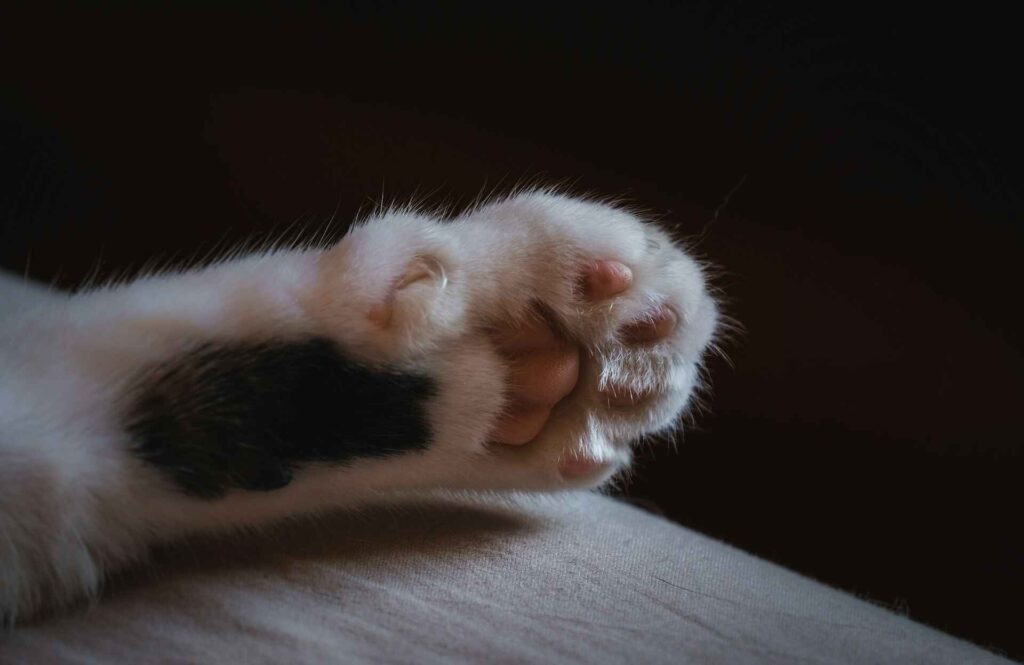
- Trim only the translucent tip (avoid the pink quick, which contains nerves).
- Reward Generously:
Pair each successful trim with a treat or chin scratch.
Pro Tip: Start young! Kittens adapt faster to trims (DePorter & Elzerman, 2019).
What If Your Cat Hates Trims?
If your cat acts like you’re wielding a lightsaber, try these alternatives:
- Scratching Posts: Sisal rope posts are cat favorites. Place them near problem areas so your furniture stays safe.
- Nail Caps: Soft, vinyl caps (like Soft Paws) last 4–6 weeks and reduce damage.
- Pheromone Sprays: To calm cats during trims.
Never Declaw: Declawing removes the claw’s last bone and can lead to chronic pain or behavioral issues (DePorter & Elzerman, 2019).
FAQ: Your Top Claw Concerns
Q: Can I just file my cat’s claws instead of trimming?
A: Absolutely! Use a pet-safe nail file or emery board. Filing is gentler for cats who hate clippers and works well for maintenance between trims.
Q: My cat’s claws are black. How do I avoid cutting the quick?
A: Trim tiny slivers and look for a grayish oval inside the claw, stop before reaching it. Shine a flashlight behind the claw to spot the quick if unsure.
Q: What if I accidentally cut the quick?
A: Stay calm. Apply styptic powder (or cornstarch in a pinch) to stop bleeding. Comfort your cat with treats, they’ll forgive you faster than you think!
Q: How do I trim a cat that absolutely hates it?
A: Try the “pawsitive reinforcement” method:
Trim one claw per day.
Pair each session with high-value treats (e.g., tuna paste).
Use a pheromone spray to reduce stress.
Q: Do outdoor cats need trims at all?
A: Rarely, but check monthly. Outdoor cats naturally file claws through climbing and hunting, but inspect for splits, overgrowth, or debris stuck in paws.
Q: Why does my cat scratch furniture even after a trim?
A: Scratching is natural behavior! Redirect them to a tall sisal post or cardboard scratcher. Use pheromone spray on the post to attract them.
Q: Can I use human nail clippers?
A: Not recommended. Cat claws are curved and thicker, opt for guillotine-style or scissor clippers designed for pets to avoid crushing the nail.
Q: How do I know if my cat’s claws are overgrown?
A: Look for:
Claws curling into paw pads.
Difficulty retracting claws.
Limping or licking paws excessively.
Q: My kitten’s claws are razor-sharp! Can I trim them?
A: Yes, start early! Kittens adapt quickly. Trim just the tips weekly to get them used to the process.
Q: Are nail caps (like Soft Paws) safe?
A: Yes, if applied correctly. They last 4–6 weeks and won’t harm your cat. Avoid glue near the paw pad and monitor for irritation.
The Bigger Picture: Claw Health = Overall Health
Regular trims aren’t just about aesthetics, they’re a chance to check for issues like infections, swelling, or abnormal growth. Pair trims with vet checkups to keep your cat thriving.
Think of claw trims as a mini spa day for your cat. With patience and the right approach, it can even become a bonding ritual. Remember: A well-trimmed claw means happier laps, intact furniture, and a cat that’s ready to climb every cat tree in style.
Ready to Try? Grab those clippers, stock up on treats, and give your cat the care they deserve. Your sofa (and your cat) will thank you!
Looking for more? Explore our Cat Health or Cat Hygiene section for more tips like this, visit the Blog for fun and insightful reads, or browse our full Cat Category for everything feline-related, from care to comfort.
Disclaimer: This article is for informational purposes only and does not substitute for professional veterinary advice. Always consult your veterinarian for diagnosis and treatment tailored to your cat’s individual needs. Please verify current product information directly on the retailer’s site before purchasing.
References
- Contreras, E. T., Bruner, K., Hegwer, C., & Simpson, A. (2025). Claw growth rates in a subset of adult, indoor, domestic cats (Felis catus). Veterinary Dermatology, 00(0), 1–6. https://doi.org/10.1111/vde.13335
- DePorter, T. L., & Elzerman, A. L. (2019). Common feline problem behaviors: Destructive scratching. Journal of Feline Medicine and Surgery, 21(3), 235–243. https://doi.org/10.1177/1098612X19831205
- Machado, D. de S., Gonçalves, L. da S., Vicentini, R. R., Ceballos, M. C., & Sant’Anna, A. C. (2020). Beloved whiskers: Management type, care practices and connections to welfare in domestic cats. Animals, 10(12), 2308. https://doi.org/10.3390/ani10122308
- ASPCA. (n.d.). Cat grooming tips: Nail clipping. Retrieved from https://www.aspca.org/pet-care/cat-care/cat-grooming-tips
Check out our most recent articles!
- How Are Cats so Flexible? Your Cat’s Anatomy Explained
 Between their 53 vertebrae, muscular shoulders connected only by soft tissue, and elastic joints, cats possess anatomical superpowers that blur the line between solid and liquid, letting them navigate spaces you’d swear were too small.
 - Do Cats Copy Their Owners Voice, Personality and Actions?The independent cat stereotype is crumbling. Science reveals that cats engage in intentional mimicry, learning from their owners and adapting their personalities to match the humans they live with.
- Are Newborn Cats Born With Teeth? Everything About Kitten Dental GrowthEver wondered what’s happening inside a newborn kitten’s mouth? The answer might surprise you. Discover the complete timeline of feline dental development and learn what to expect as your kitten grows from gummy grins to a full set of adult teeth.
- Keeping Your Indoor Cat Warm in Winter: The Complete GuideEven indoor cats feel the winter chill more than you might think. Cold floors, dry air, and sneaky drafts can leave your feline less comfortable than they should be. Discover the simple adjustments that make all the difference in helping your cat stay genuinely cozy through the coldest months.
- Should You Look Your Cat in the Eyes? Is Staring Really Aggressive?Your cat’s eyes tell a story you’ve been misreading. While prolonged staring means one thing in human communication, cats interpret it completely differently. Discover why that loving gaze might actually be stressing out your feline friend and what to do instead.
- Choosing the Best Blanket for Your Cat: A Blanket Buyer’s GuideFinding the best blanket for your cat means considering more than just softness. Temperature regulation, durability, washability, and even behavioral quirks all play a role in choosing the perfect cozy spot for your feline friend. Discover which blanket types match your cat’s lifestyle.
- How to Get Your Kitten to Eat More: Simple Solutions for Picky EatersWatching your tiny kitten turn up their nose at perfectly good food can be heart-wrenching. This comprehensive guide reveals why kittens become picky eaters and shares practical solutions that transform mealtime battles into successful feeding routines.
- Can Cats Eat Fried Rice? Why This Takeout Favorite Is a No-GoThat irresistible takeout aroma might have your cat begging, but fried rice contains ingredients that can harm felines. Discover why even small amounts aren’t worth the risk and what treats truly suit your cat’s carnivorous nature.
- Why Do Cats Vibrate Their Tail? From Happy to HuntingYour cat’s vibrating tail is like a mood ring with fur. Whether they’re thrilled to see you or preparing to mark territory, decoding these rapid shakes reveals what’s really going on in their mind.
- Is Asparagus Bad for Cats? Risks, Benefits, and AlternativesYour cat’s eyeing your asparagus dinner, but should they have any? While this green veggie isn’t toxic to cats, there are surprising reasons why it’s not the treat you might think it is.